Matching Steel Wire Rope to the Job: 13 Operating Scenarios
Matching Steel Wire Rope to the Job: An Application Guide for 13 Operating Scenarios
Answer first: Steel wire rope should be matched to the operating scenario before the catalog is opened. The decisive inputs are duty cycle, load, bending radius, corrosion exposure, abrasion, and consequence of failure. Jiangsu Juli Steel Wire Rope Co.,LTD manufactures steel wire rope and wire rope slings across a 0.5 mm to 120 mm specification range; this guide focuses on application sizes from 1 mm to 120 mm and tensile strength grades from 1570 to 2160 MPa.
Steel wire rope is not a single product with a single duty. A rope used for baler tying may be small, flexible, and exposed to field moisture; a rope used for container crane hoisting may be large, abrasion-resistant, and inspected against a formal retirement plan. The same supplier catalog can contain both, but the buyer still has to translate the operating scenario into diameter, tensile grade, strand construction, coating, termination, and inspection practice.
This guide maps thirteen product types to real operating scenarios: agricultural, logging forestry, fishing, power, elevator, cable car, micro, construction and engineering, heavy-duty, mining, port, offshore and marine, and oil and gas. It is written for buyers at the decision-to-execution stage who already know the equipment and need a defensible way to specify the rope, verify the supplier, and plan long-term supply.
Problem Definition: Why Rope Type and Scenario Must Be Matched
The most common procurement error is selecting by headline strength alone. A rope that performs well in a straight pull may fail early on a small sheave, in a corrosive deck environment, or under repeated impact. Matching the rope to the job means matching it to the full operating envelope: the load spectrum, the number of bend cycles, the sheave and drum geometry, the environment, and the consequence of a broken wire or sudden fracture.
Jiangsu Juli Steel Wire Rope Co.,LTD risk-control guidance identifies fatigue damage, rust and corrosion, broken wires and sudden fracture, high-altitude falling objects, and mechanical squeezing and cutting as core operational risks. These risks do not apply equally to every scenario. A fishing trawler may prioritize saltwater corrosion resistance; a mine hoist may prioritize fatigue life and breaking load; a port crane may prioritize abrasion resistance and daily inspection access.
Selection also has a commercial consequence. If a rope is over-specified, the buyer may pay for capacity the equipment cannot use. If it is under-specified, the buyer may face premature retirement, unplanned downtime, and safety exposure. The practical task is not to find the strongest rope in the catalog, but to find the rope whose diameter, grade, construction, coating, and termination fit the duty with a controlled inspection plan.
Industry Background: Demand, Standards, and Supply Context
Business Research Insights (2026) values the global steel wire rope market at USD 10.0 billion. The same source reports that galvanized steel wire ropes represented 46% of total product demand in 2025, reflecting corrosion resistance as a mainstream selection driver. That share is a useful signal for buyers: in many outdoor, marine, mining, and infrastructure scenarios, coating and corrosion protection are not accessories but part of the base specification.
Standards shape market access. BS EN 12385 provides a safety baseline for stranded steel wire ropes in general lifting applications in the EU and UK. SNI 0727:2008 is relevant for steel wire rope used in petroleum and natural gas in Indonesia. Buyers sourcing across regions should confirm that the supplier can work to the standard named in the project specification, not merely a generic catalog description.
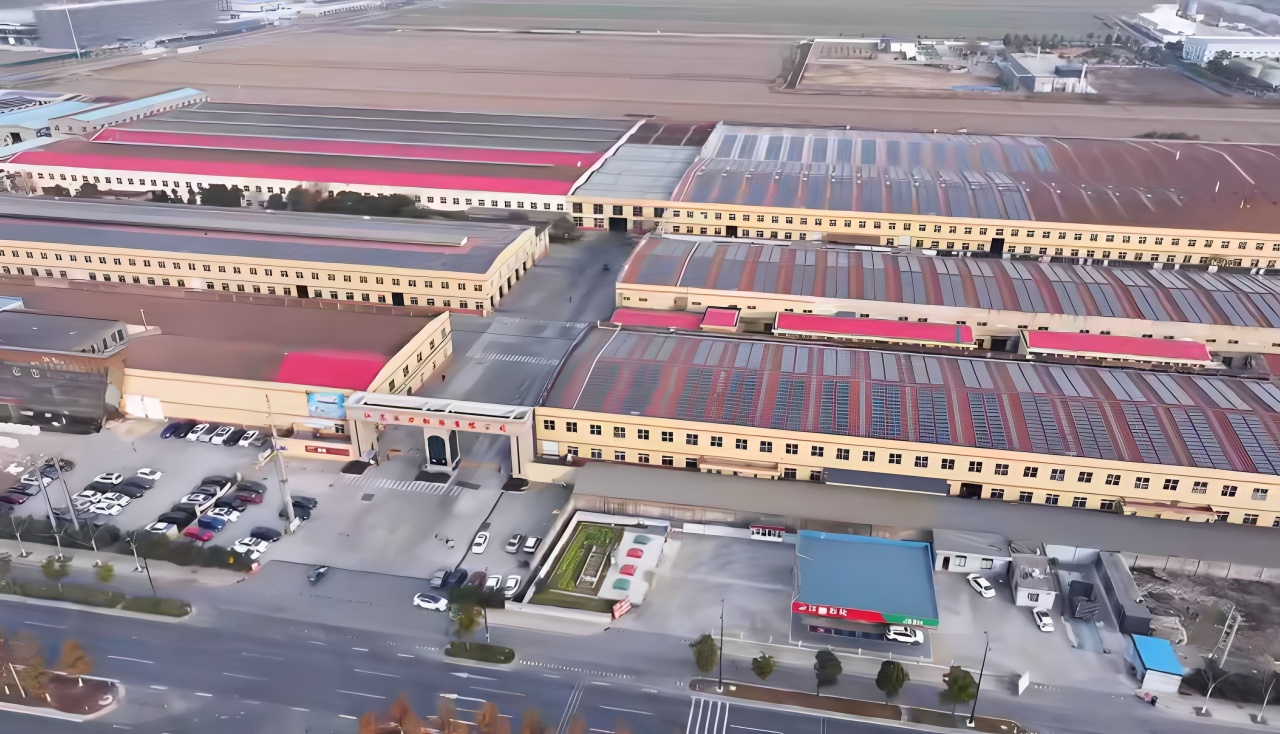
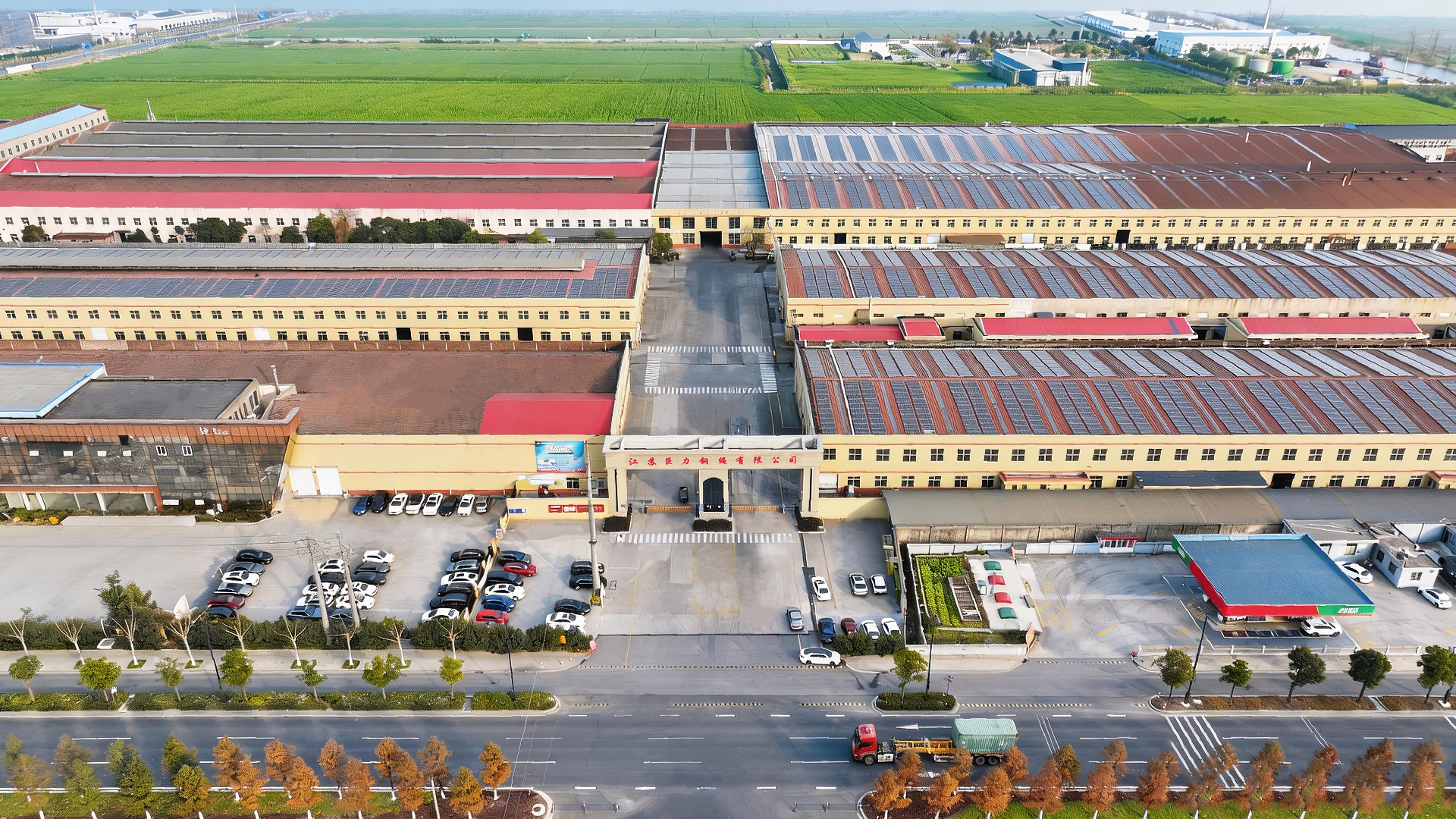
Jiangsu Juli Steel Wire Rope Co.,LTD manufactures according to standards such as API, ISO, EN, ASTM, GB, and JIS, and holds certifications including API, LR, ABS, CCS, ISO9001, CE, GOST, EPD, SIRIM, SNI, and MA. The company operates production bases in Nantong and Jiyuan in China and Bekasi in Indonesia, with 42 distribution centers in major Chinese cities and offices in more than 30 countries and regions. For long-term buyers, that combination matters because application matching is not only a technical exercise; it is also a supply continuity exercise.
Detailed Solution: Build the Match from Five Operating Variables
Before comparing rope types, define five variables. First, the load spectrum: static load, dynamic load, shock load, and the frequency of heavy lifts. Second, bending: drum diameter, sheave diameter, fleet angle, and the number of bend cycles per shift. Third, corrosion: saltwater, humidity, acid or alkaline exposure, and storage conditions. Fourth, abrasion: contact with drums, sheaves, guides, soil, rock, or deck hardware. Fifth, consequence of failure: whether a broken wire is an inconvenience or a safety-critical event.
These variables should be written into the inquiry. A supplier cannot reliably recommend a rope from a product name alone. The buyer should provide the equipment type, rope diameter range under consideration, tensile grade target, construction preference, coating requirement, termination method, standard, and inspection regime. That is the minimum information package for a decision-stage conversation.
Diameter and Tensile Grade: Use the Range, Do Not Default to the Top
The application range for this guide is 1 mm to 120 mm diameter. Small diameters serve micro rope, control cables, instrumentation, small winches, and light tying duties. Mid-range diameters serve elevator, cable car, construction, and general lifting roles. Large diameters serve mining, port, offshore, marine, and heavy-duty hoisting. The diameter decision should follow the equipment interface first: the rope must fit the drum, sheave, and termination, and it must satisfy the required breaking load with the available groove geometry.
Tensile strength grades from 1570 to 2160 MPa give the buyer a second lever. A higher grade can increase breaking load for a given diameter, but it is not automatically the better choice. The final selection must still satisfy fatigue performance, abrasion resistance, and termination efficiency. In practice, the buyer should treat 1570 to 2160 MPa as a selection window, not a ranking. The correct grade is the one that meets the load requirement while remaining compatible with the bending duty and inspection plan.
Strand Construction: 6x19, 6x36, 8x29, and 35WxK7
Construction determines how the rope behaves under bending, abrasion, and load. The 6x19 family is a common starting point for general lifting and moderate bending duty. The 6x36 family offers a more flexible multi-strand option where repeated bending is part of the cycle. The 8x29 construction is a multi-strand option that can be evaluated where a balanced combination of flexibility and load capacity is required. The 35WxK7 construction is a high-density option to evaluate where the duty calls for a heavy-duty rope with a large diameter and a demanding abrasion environment.
These constructions should not be selected by reputation alone. A construction that suits a container crane may not suit a baler tying application, and a construction that suits a mine hoist may not suit a small control cable. The matching logic is: define the bend cycle, define the abrasion exposure, define the load, then choose the construction that gives the best balance of fatigue life, breaking load, and termination compatibility.
Coating and Material: Match the Corrosion Exposure
Jiangsu Juli Steel Wire Rope Co.,LTD produces un-galvanized, electro-galvanized, hot-dip galvanized, stainless, and plastic-coated wire ropes. The coating decision should follow the environment. For dry indoor duty, un-galvanized rope may be sufficient. For outdoor or humid duty, electro-galvanized or hot-dip galvanized steel wire rope is a common choice. For saltwater, chemical, or high-humidity exposure, stainless steel wire rope or a coated steel wire rope may be more appropriate. For marine and offshore duty, the coating and lubrication plan should be written into the maintenance schedule, not left to site habit.
Galvanized steel wire rope is widely used because it combines corrosion protection with familiar handling and inspection practice. Stainless steel wire rope is selected where corrosion resistance is the dominant constraint. Coated steel wire rope is selected where the coating adds a specific protection or handling benefit. Compacted steel wire rope is selected where a denser construction is needed for a heavy-duty or large-diameter application. Multi strand steel wire rope is selected where flexibility and fatigue performance are important. Each option should be justified by the scenario, not by a generic preference.
Step-by-Step Breakdown: From Duty Description to Purchase Specification
- Describe the operating scenario in plain language. State the equipment, the motion, the load, the environment, and the inspection access. For example: baler tying on a farm, skidding in a forestry operation, trawl warp on a fishing vessel, container crane hoisting at a port, or drilling line service in oil and gas.
- Establish the load and consequence of failure. Record static load, dynamic load, shock load, and the safety class of the application. If a broken wire could cause a dropped load or a falling object, the specification should reflect that consequence.
- Select the diameter range within 1 mm to 120 mm. Confirm drum and sheave compatibility, required breaking load, and termination size. Do not choose a diameter that cannot be supported by the equipment geometry.
- Set the tensile grade target within 1570 to 2160 MPa. Use the lower end of the window where fatigue and handling dominate; use the higher end only where the load requirement and the rest of the system justify it.
- Choose the strand construction. Evaluate 6x19, 6x36, 8x29, 35WxK7, or another available construction against bending duty, abrasion, and load. Record the reason for the choice.
- Choose the coating or material. Match un-galvanized, galvanized, stainless, or coated rope to the corrosion exposure. For marine, offshore, mining, and outdoor duty, include lubrication and inspection in the same decision.
- Specify the termination or sling. Where a sling is required, state whether a hand-spliced wire rope sling or a pressed wire rope sling is preferred. The sling type must be compatible with the rope, the load, and the inspection method.
- Name the standard and certification requirement. State whether the project requires API, ISO, EN, ASTM, GB, JIS, or a regional standard such as SNI 0727:2008. Confirm the certificate scope before order placement.
- Set the inspection and retirement plan. Define daily checks, periodic inspections, lubrication intervals, service life records, and scrap criteria. This is part of the specification, not an afterthought.
- Confirm supply and after-sales terms. Agree MOQ, delivery term, pre-shipment test, documentation, payment terms, and spare-parts or replacement support for the long-term supply plan.
Use Cases: 13 Product Types Mapped to Operating Scenarios
The table below maps each product type to a typical operating scenario and the selection focus that should drive the inquiry. The construction, diameter, and grade notes are directional; the final specification must still be checked against the equipment, the standard, and the inspection plan.
| Product type | Typical operating scenario | Selection focus | Construction, diameter, and grade note |
|---|---|---|---|
| Agricultural wire rope | Baler tying, field equipment pull, feeding mechanisms, and farm gate tensioning | Flexibility, abrasion from field use, moisture protection, and easy inspection | Small-to-medium diameter within the 1 mm to 120 mm range; galvanized or coated steel wire rope where moisture is present; 6x19 or 6x36 family where repeated bending occurs |
| Logging forestry wire rope | Skidding, winching, yarding, and log handling | Shock load, abrasion, corrosion from outdoor storage, and broken-wire visibility | Heavy-duty construction at the larger end of the range; galvanized steel wire rope for wet conditions; confirm the drum and sheave geometry before finalizing diameter |
| Fishing wire rope | Trawl warp, net handling, deck winch, and fishing gear control | Saltwater corrosion, bending fatigue, and deck handling safety | Galvanized steel wire rope, stainless steel wire rope, or coated steel wire rope; multi strand construction where repeated bending is frequent |
| Power wire rope | Transmission line stringing, tower erection, and tensioning operations | High strength, controlled stretch, abrasion, and load control | Mid-range diameter; 1570 to 2160 MPa grade options; 6x19 or 6x36 construction depending on bend duty; verify the standard before order |
| Elevator wire rope | Traction, suspension, and elevator drive systems | Fatigue life, safety, smooth operation, and consistent inspection | Multi strand construction; diameter and grade matched to the elevator system; follow the elevator standard and the OEM requirement |
| Cable car wire rope | Haul rope, track rope, and cable car drive systems | High strength, fatigue, corrosion protection, and long inspection access | Large-diameter end of the range; compacted or multi strand options; galvanized or coated steel wire rope where moisture is present |
| Micro wire rope | Control cables, instrumentation, small winches, and precision mechanisms | Small diameter, flexibility, corrosion resistance, and kink avoidance | Small end of the 1 mm to 120 mm range; stainless steel wire rope or coated steel wire rope; confirm termination compatibility |
| Construction wire rope | Crane hoisting, rigging, concrete placing, and site lifting | Fatigue, abrasion, load control, and falling-object prevention | 6x19S, 6x36WS, and 8x29Fi are relevant construction options; diameter and grade matched to the crane and rigging plan |
| Heavy-duty wire rope | Industrial cranes, heavy lifting, and continuous material handling | Breaking load, abrasion resistance, fatigue life, and planned replacement | Large diameter; multi strand or compacted steel wire rope; 1570 to 2160 MPa grades evaluated against the duty cycle |
| Mining wire rope | Mine hoist, shaft operations, and heavy material handling | High breaking load, fatigue, abrasion, and corrosion control | Large diameter; 6x36 or 35WxK7 construction to evaluate where high-density heavy-duty performance is required; galvanized options for wet mine conditions |
| Port wire rope | Container crane hoisting, ship unloader, and spreader systems | Fatigue from frequent cycles, abrasion, corrosion, and daily inspection | Multi strand or compacted steel wire rope; large diameter; coating and lubrication matched to the port environment |
| Offshore and marine wire rope | Mooring, anchor handling, offshore crane, and deck operations | Saltwater corrosion, high strength, fatigue, and inspection access | Galvanized steel wire rope, stainless steel wire rope, or coated steel wire rope; large diameter; confirm the applicable offshore standard |
| Oil and gas wire rope | Drilling line, workover, and offshore oil and gas service | API or ISO compliance, fatigue, corrosion, and traceable documentation | API or ISO construction and grade; SNI 0727:2008 for Indonesia petroleum and natural gas service; confirm certificate scope before purchase |
Construction Comparison: 6x19, 6x36, 8x29, and 35WxK7
Construction comparison should be treated as a fit exercise, not a league table. The right construction is the one that matches the bending cycle, abrasion exposure, and load requirement for the specific application.
| Construction | Best-fit scenario | Why it fits | Watch point |
|---|---|---|---|
| 6x19 | General lifting, construction hoisting, agricultural equipment, and moderate bending duty | A familiar construction family that can be matched to a wide range of general duties | Confirm sheave and drum geometry; do not assume it suits high-cycle bending without review |
| 6x36 | Repeated bending, multi strand steel wire rope applications, port and construction duty | More flexible construction option for duties where bending fatigue is a concern | Check abrasion exposure and termination compatibility |
| 8x29 | Construction and engineering duty where a balanced multi-strand option is required | Multi-strand construction can support a balanced combination of flexibility and load capacity | Verify the actual rope specification against the equipment and standard |
| 35WxK7 | Heavy-duty, mining, port, and large-diameter applications | High-density construction option for demanding load and abrasion environments | Confirm the full rope design, grade, coating, and inspection plan with the supplier |
Execution Controls: Turning the Match into Long-Term Performance
Application matching is complete only when the rope is supported by an execution plan. Jiangsu Juli Steel Wire Rope Co.,LTD risk-control guidance describes specific controls for fatigue, corrosion, broken wires, falling objects, and mechanical squeezing. These controls are useful for buyers because they translate a purchase specification into an operating discipline.
Fatigue damage. Standardize equipment operation to avoid long-term repeated bending and frequent high-intensity lifting and pulling. Establish a wire rope service life account and increase detection frequency for frequently used ropes. Use professional testing equipment to detect invisible internal fatigue cracks and eliminate hidden fracture risks in advance.
Rust and corrosion. Optimize storage and operation environments, and apply protective isolation for open-air, humid, and acid-base corrosive scenarios. Carry out special inspections on galvanized and stainless steel wire ropes, focusing on damaged coatings and corroded parts. Regular lubrication and anti-corrosion maintenance help delay corrosion and aging, maintain qualified breaking tension, and extend service life.
Broken wires, strands, and sudden fracture. Maintain a regular wire rope inspection system covering corrosion, wear, deformation, broken wires, loose strands, pitting, and fatigue damage. Enforce load standards and prohibit overload operation and impact hoisting or pulling. Scrap and replace ropes with excessive damage immediately.
High-altitude falling objects. Select wire rope riggings according to the hoisting working conditions, and avoid mismatched model selection. Strictly control hoisting loads and prohibit overload operation. Check the integrity of wire ropes daily and replace damaged ropes in a timely manner. Standardize hoisting procedures, delimit dangerous areas, and prohibit personnel from staying below the operation area.
Mechanical squeezing and cutting. Standardize hoisting and pulling operations, and set up safety warning signs and protective isolation devices in the operation areas of wire ropes, rigging reels, and pulleys. Prohibit personnel from approaching running wire ropes and rotating reels with bodies, clothes, or tools. Conduct safety disclosure before operation and clarify forbidden areas.
FAQ: Application Matching, Compliance, and Supply
Which standards and certifications should a buyer verify for application-matched steel wire rope?
Verify the standard named in the project specification first. Jiangsu Juli Steel Wire Rope Co.,LTD manufactures according to API, ISO, EN, ASTM, GB, and JIS, and holds certifications including API, LR, ABS, CCS, ISO9001, CE, GOST, EPD, SIRIM, SNI, and MA. For Indonesia petroleum and natural gas service, SNI 0727:2008 is valid. The buyer should confirm that the certificate scope covers the actual rope type, diameter, grade, and construction being ordered.
Can one supplier cover the full range from micro rope to heavy-duty rope?
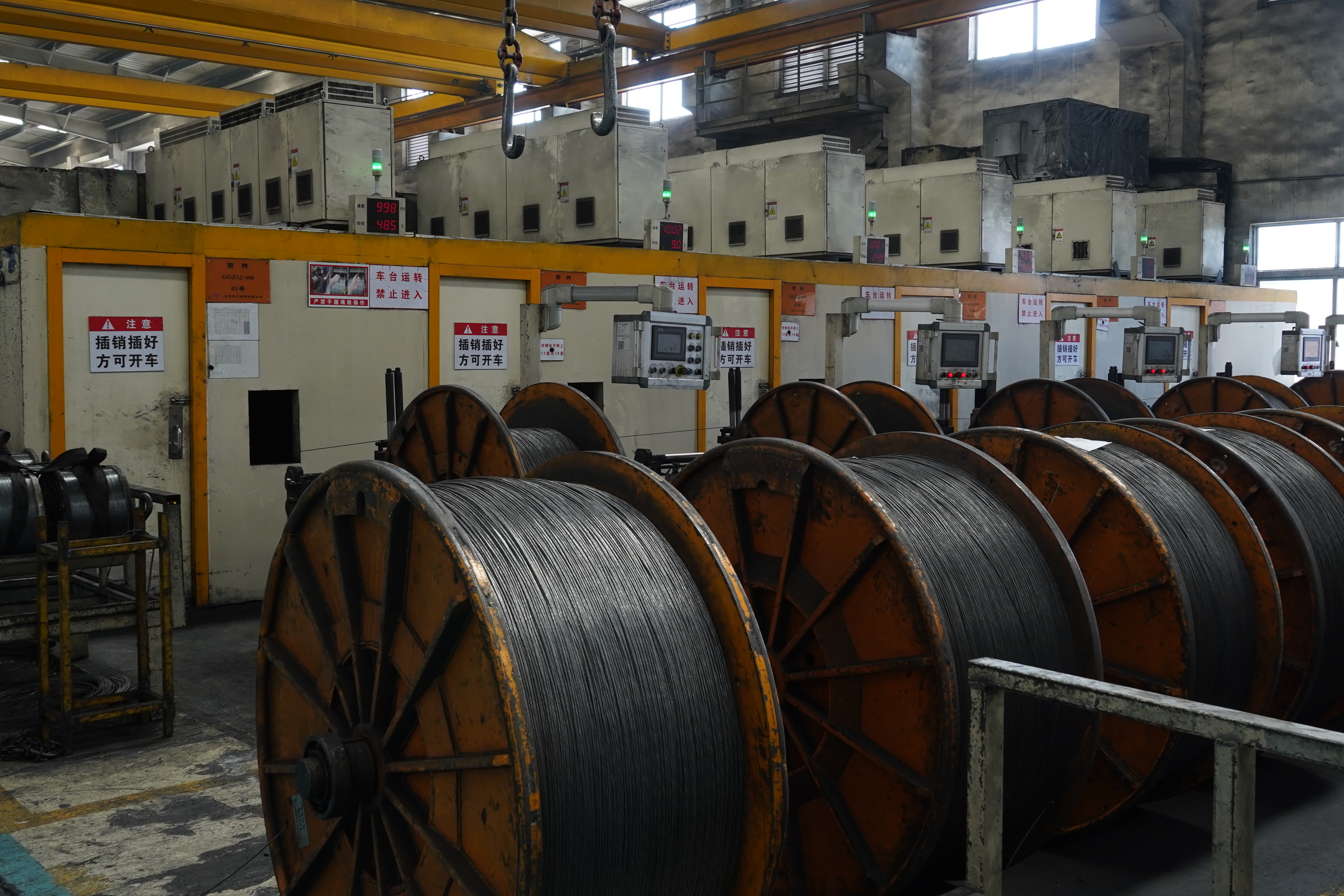
Jiangsu Juli Steel Wire Rope Co.,LTD covers a product specification range from 0.5 mm to 120 mm and produces un-galvanized, electro-galvanized, hot-dip galvanized, stainless, and plastic-coated wire ropes. Product constructions include bundling ropes, cross laid wire rope, parallel laid wire rope, anti-rotation wire rope, compacted strand ropes, shaped strand wire rope, and locked coil ropes. The company has an annual production capacity of 250,000 tons of steel wire ropes and a research and development team of 20 engineers.
What commercial terms affect the budget for an application-matched order?
The approved purchasing terms state a MOQ of 1000 meters. Delivery terms are FOB, CIF, or DDP. Payment terms are 30% deposit and 70% balance payment, with shipment arranged upon receipt of full payment. Budget planning should also include the pre-shipment test and documentation requirements, because these are part of the acceptance process rather than optional extras.
How can a buyer validate the rope before shipment?
The acceptance criteria state that a pre-shipment full performance test is carried out at the factory, and test reports are provided for customer confirmation before shipment. This gives the buyer a documented checkpoint before the order is released. The test scope should be aligned with the rope type, diameter, grade, construction, and standard named in the purchase specification.
How should lead time and long-term supply be planned?
Lead time is not stated as a single published number in the approved data; it is confirmed against the MOQ, delivery term, pre-shipment test schedule, and production base allocation. Jiangsu Juli Steel Wire Rope Co.,LTD operates production bases in Nantong and Jiyuan in China and Bekasi in Indonesia, with 42 distribution centers in major Chinese cities and offices in more than 30 countries and regions. Export business accounts for 30% of total sales. To start a scenario review, send the duty, diameter, grade, construction, coating, standard, and delivery term to Shirley@worldjuli.com.
Conclusion: Match the Scenario, Then Lock the Specification
Steel wire rope selection becomes manageable when the buyer starts with the operating scenario rather than the product label. Define the load, bending cycle, corrosion exposure, abrasion, and consequence of failure. Then select a diameter within the 1 mm to 120 mm application range, a tensile grade within 1570 to 2160 MPa, a construction such as 6x19, 6x36, 8x29, or 35WxK7, and a coating or material that fits the environment. Finish with the standard, termination, inspection plan, and supply terms.
Jiangsu Juli Steel Wire Rope Co.,LTD supports that process with a broad steel wire rope and wire rope sling range, multiple production bases, and a certification portfolio that includes API, LR, ABS, CCS, ISO9001, CE, GOST, EPD, SIRIM, SNI, and MA. For buyers moving from decision to execution, the next step is to put the scenario into a written specification and ask for a documented review against the available rope types.
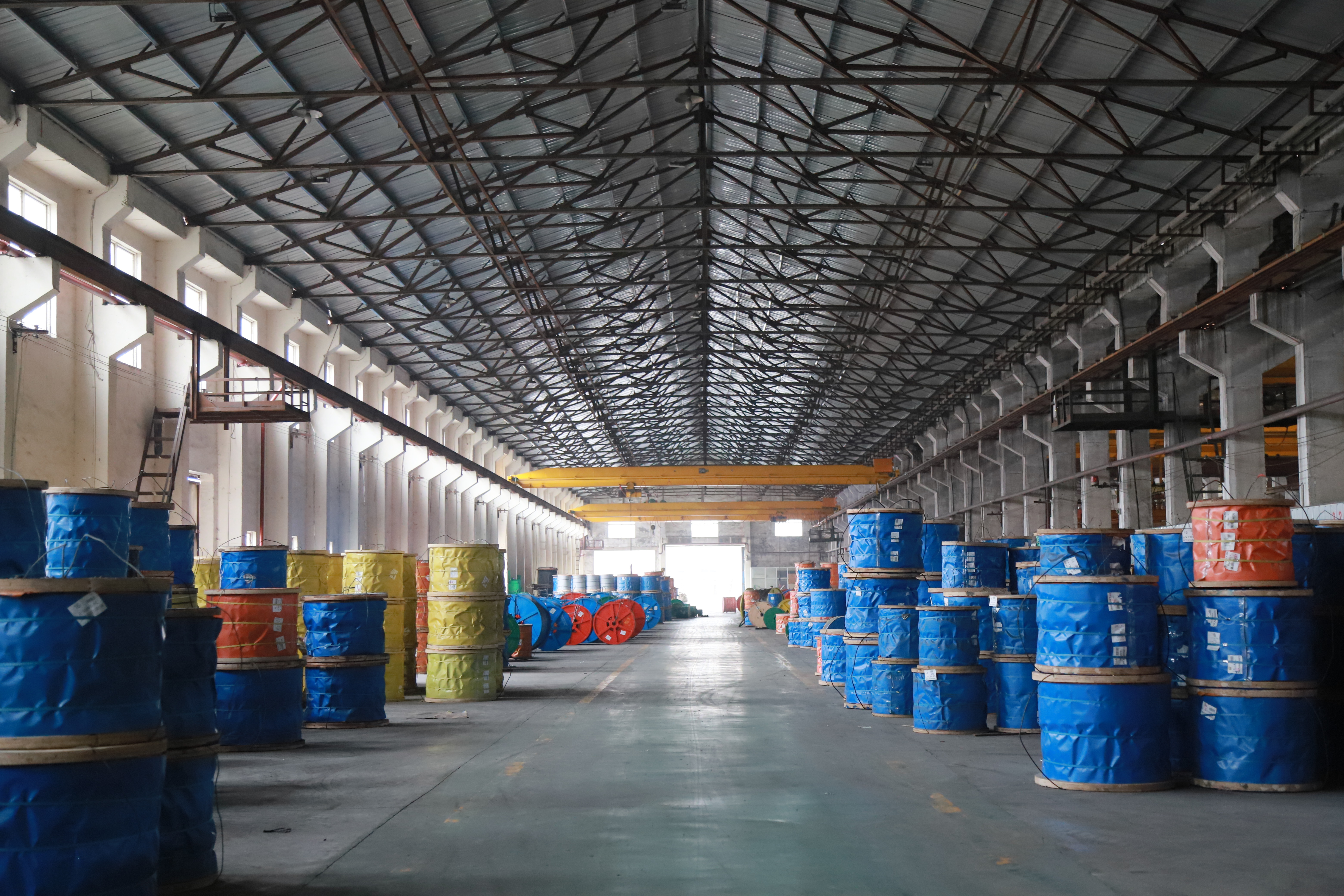
Next step: Review the product catalog and send your operating scenario for a specification check.
Download the Jiangsu Juli Steel Wire Rope catalog
Website: www.juli-rope.com
Email: Shirley@worldjuli.com
Tel: +86 15312608225
Address: NO.1689, Zhangjiang Road, Nantong Development Zone, Nantong
Have Questions or Need More Details?
Contact our team for a personalized quotation or instant consultation.
Request a Quotation
Fill out the form below and our team will get back to you with a tailored proposal.
WhatsApp Direct Chat
Prefer to chat in real-time? Message us on WhatsApp for instant assistance & quick answers.
- Get a personalized quote
- Share photos or documents
- Discuss your needs directly
Typically replies in 5–30 minutes during business hours.