From Micro to Mining: The Steel Wire Rope Range Explained
Steel Wire Rope · Category Explainer
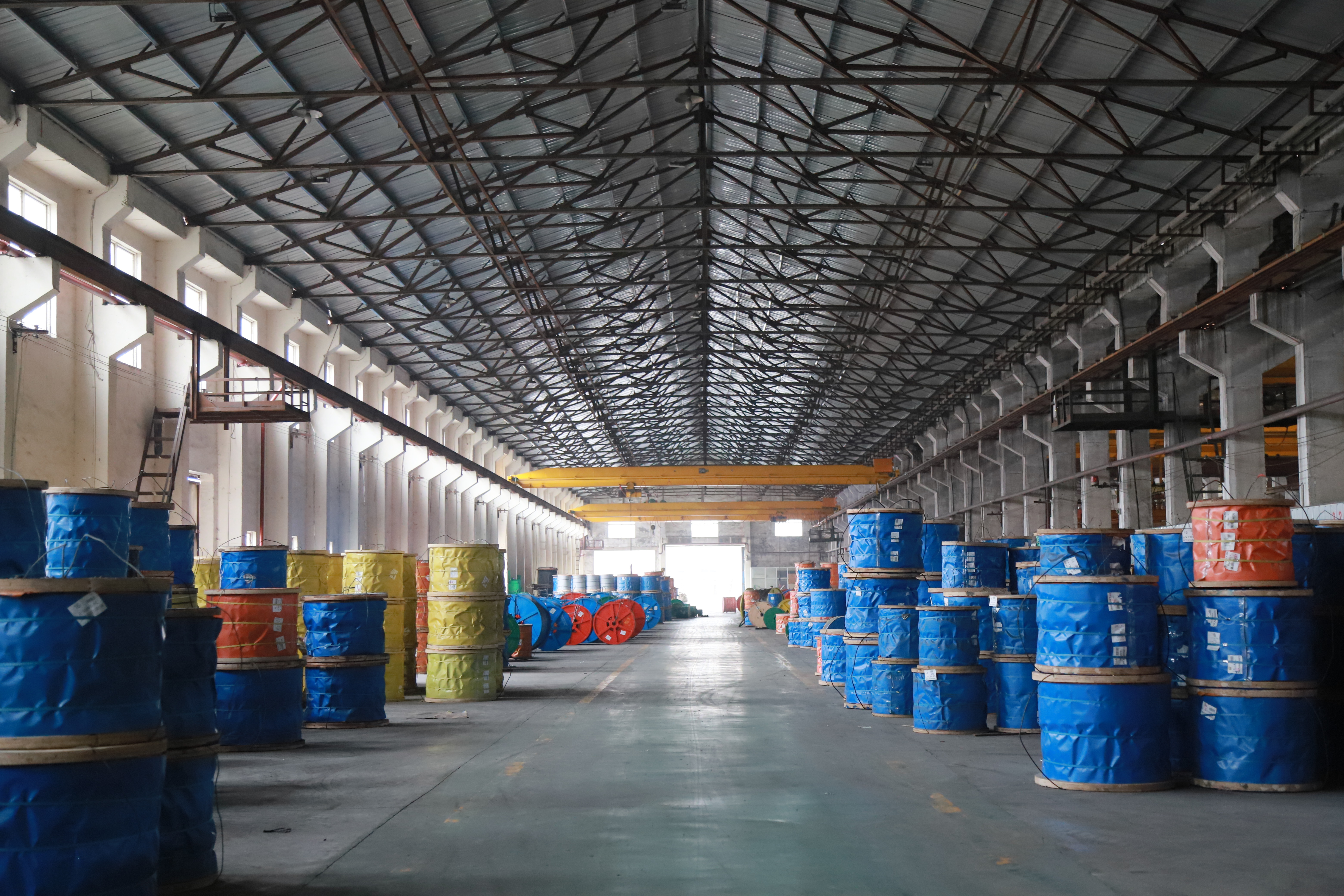
Steel wire rope is a machine built from smaller machines. Individual steel wires are laid into strands, the strands are laid around a core, and the finished assembly carries load along a flexible line. But “steel wire rope” is a category name, not a specification. Under that single name, manufacturers produce ropes from 0.5 mm up to 120 mm in diameter, in constructions that range from bundling ropes to locked coil ropes, in five common surface finishes, and for more than a dozen end-use sectors — from micro wire rope used in high-risk, low-tolerance tasks to massive mining and port hoisting ropes.
At the decision stage, the category name tells a buyer almost nothing. Two quotations for the same “steel wire rope” can describe products that differ in strand construction, core, finish, tensile grade and standard — and therefore differ in fatigue life, corrosion behaviour, inspection interval and scrap criteria. The question that actually resolves a purchase is not “which steel wire rope?” but “which band of the range does this duty belong to?”
This explainer maps that range from the fine end of the scale to the heaviest hoisting duties. It explains how the product family is organised, where each band is used in industry, and how to move from an application description to a specified, certifiable rope.
Problem Definition: One Category Name, Four Hidden Variables
Steel wire rope is a completed load-bearing assembly: wire into strand, strand into rope, rope around a core. Four variables decide how that assembly behaves — the wire and strand construction, the core, the surface finish, and the tensile grade of the wire. None of these four variables is captured by the phrase “steel wire rope.” A procurement request written only in category language therefore leaves the most consequential specification decisions to the supplier.
The gap shows up later, as one of five recurring failure modes. Taken together, these risk categories explain why the category is divided into duty bands rather than sold as a single product line.
Fatigue damage
Long-term repeated bending and frequent high-intensity lifting and pulling accumulate invisible internal cracks. Control rests on working-condition standardisation, regular detection, service life management, and professional testing equipment that can detect hidden internal fatigue cracks before they become fracture risks.
Rust and corrosion
Open-air, humid and acid-base corrosive scenarios attack galvanised and stainless steel wire ropes, particularly where coatings are damaged. Control combines environmental protection, protective isolation, special inspections focused on coatings and corroded parts, and regular lubrication and anti-corrosion maintenance.
Broken wires, loose strands, sudden fracture
Corrosion, wear, deformation, broken wires, loose strands, pitting and fatigue damage are the defects a regular inspection system must track. Load standards must be enforced against overload and impact hoisting, and excessively damaged ropes must be scrapped and replaced immediately.
Mechanical squeezing and cutting
Ropes, rigging reels and pulleys create pinch and cut hazards. Control relies on standardised hoisting and pulling processes, safety warning signs and protective isolation devices, and prohibiting personnel from approaching running wire ropes and rotating reels with bodies, clothes or tools.
High-altitude falling object
Falling-object exposure is reduced through compliant model selection for the hoisting condition, strict load control, daily integrity checks, timely replacement, standardised operating procedures, and clearly delimited danger areas below the operation zone.
The practical point is that these five risk categories do not carry equal weight across the range. A 120 mm mining hoisting rope and a fine-diameter micro rope are exposed to different dominant risks, inspected on different schedules, and specified by different criteria. Duty class comes first; the product name comes last.
Industry Background: A Large Category Driven by End-Use Diversity
Steel wire rope is a mature, globally traded industrial component, and the size of the market is the clearest evidence that the breadth of the range is not a marketing artefact. The global steel wire rope market was valued at approximately USD 10.49 billion in 2025 and is projected to reach USD 13.88 billion by 2030, growing at a CAGR of 5.8%, according to MarketsandMarkets. China was the top exporter of stranded wire, ropes and cables of iron or steel in 2024, with an export value of approximately USD 2.60 billion, according to the World Integrated Trade Solution (WITS).
Demand is application-led rather than construction-led. The construction industry is the largest end-user of steel wire ropes, accounting for approximately 27% to 40.7% of total market share in 2024–2025 according to Grand View Research and other industry research. Within the product mix, galvanised steel wire ropes accounted for 41.3% to 46% of total product demand globally in 2025, driven by high corrosion resistance requirements in marine and mining environments, per Dataintelo and Business Research Insights.
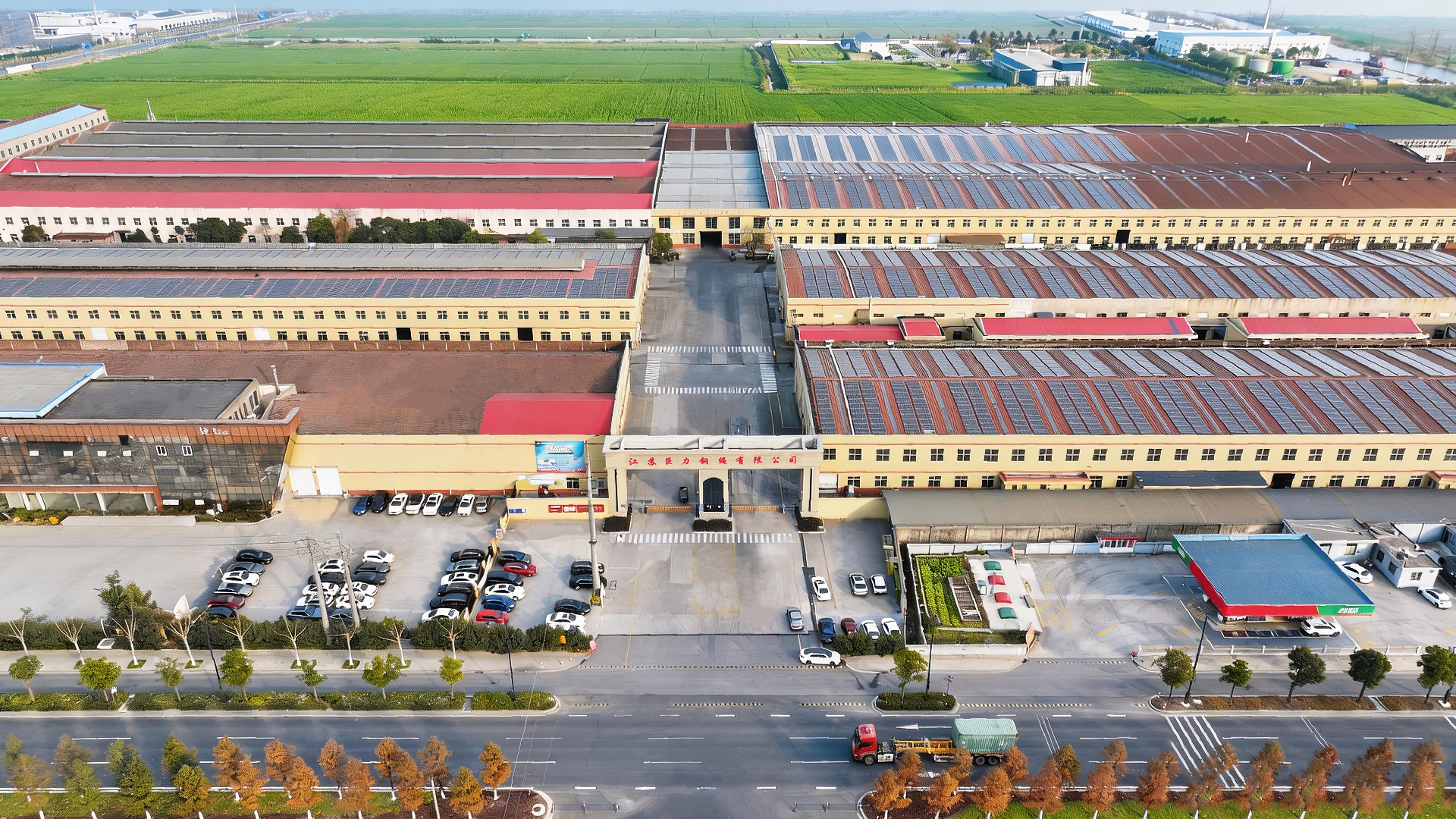
Two structural signals stand out for buyers. First, corrosion strategy is now a mainstream requirement, not a premium option — galvanised finishes already represent more than two-fifths of global demand. Second, higher-performance constructions are moving from specialist use into standard practice: mining operations adopted compacted strand ropes in approximately 57% of heavy-duty hauling systems globally in 2025, according to Business Research Insights. Compaction reduces the gaps between wires and strands so the same nominal diameter delivers a denser, more wear-resistant section — which is why it has become the default expectation on heavy haulage rather than an upgrade.
The takeaway for a decision-stage buyer is that the range on offer is broad because the end uses are genuinely different. A single construction cannot serve micro-diameter control work and 120 mm mine hoisting, and a supplier who claims otherwise is describing a catalogue, not an engineering position.
Detailed Solution: How the Steel Wire Rope Range Is Organised
The usable way to explain steel wire rope is by the five variables that change as you move from micro to mining duty. Each variable is a decision point, and together they define the band a rope belongs to.
1. Diameter: the 0.5 mm to 120 mm spectrum
Diameter is the fastest way to locate a rope in the range. At the fine end, ropes approach the 0.5 mm floor of the manufacturing range and are measured in fractions of a millimetre. Small diameter changes the engineering picture entirely: the rope is lighter, more flexible, easier to route around small sheaves, and far less tolerant of surface damage, because a single broken wire represents a larger share of the load-bearing section. These are the ropes used in high-risk, low-tolerance tasks where precision and repeatability matter more than raw breaking load.
At the heavy end, ropes up to 120 mm carry the loads that define mining hoisting and port crane duty. Between the two extremes sit the general-purpose and construction grades that make up the bulk of industrial demand. The width of this spectrum — more than two orders of magnitude in diameter — is the reason “steel wire rope” cannot be treated as a single SKU.
2. Construction: how the load travels through the rope
Construction determines how the rope bends, how it resists rotation, and how it wears against sheaves and drums. A manufacturer covering the full industrial range will typically produce several families: bundling ropes, cross laid wire rope, parallel laid wire rope, anti-rotation wire rope, compacted strand ropes, shaped strand wire rope, and locked coil ropes. Cross laid and parallel laid constructions differ in how strands sit relative to each other; anti-rotation constructions are used where a single-fall load must not spin; compacted and shaped strand constructions pack more steel into the same diameter; locked coil ropes are built for applications where a smooth, fully filled outer surface is required.
Construction is also where the market evidence points. With compacted strand ropes used in roughly 57% of mining heavy-duty hauling systems in 2025, construction choice is no longer a matter of preference but of duty matching: the haulage cycle, sheave geometry and abrasion environment decide which family applies.
3. Finish: the corrosion strategy
Finish is the variable buyers most often under-specify, and the one that most directly determines service life in the field. The five mainstream options are un-galvanised (bright), electro-galvanised, hot-dip galvanised, stainless, and plastic-coated wire rope. Galvanised finishes account for 41.3% to 46% of global demand because they address the single most common degradation path in marine and mining environments. Stainless steel wire rope is used where corrosion resistance is the governing requirement, and plastic-coated rope adds a physical barrier between the steel and the environment.
Finish selection also dictates the maintenance regime. Galvanised and stainless steel ropes require regular special inspection focused on damaged coatings and corroded parts, plus regular lubrication and anti-corrosion maintenance to delay corrosion and aging, maintain qualified breaking tension, and extend service life. A buyer who specifies finish without budgeting for that inspection regime has only solved half the problem.
4. Standard and certification: the procurement ticket
Standards convert a description into a verifiable product. ISO 2408:2017 specifies the minimum requirements for the manufacture and testing of steel wire ropes for general purposes, including lifting and rigging, and is the reference point most international buyers use to compare quotations. Jiangsu Juli Steel Wire Rope Co., LTD manufactures according to API, ISO, EN, ASTM, GB and JIS standards, and holds certifications including API, LR, ABS, CCS, ISO9001, CE, GOST, EPD, SIRIM, SNI and MA. In practice, the standard defines the test regime and the certificate defines market access — both matter when the rope is going into a regulated lifting or hoisting system.
5. Termination and accessory form: rope as a finished lifting item
The range does not end at the rope. Steel wire rope is frequently supplied as a completed sling rather than as a bare length, which moves the specification question from “which rope” to “which rope, terminated in which form, for which lift.” Hand-spliced and pressed terminations behave differently in service, and the choice follows the lifting condition rather than the rope diameter alone. Jiangsu Juli Steel Wire Rope Co., LTD produces steel wire ropes and wire rope slings, which means the rope and the lifting accessory can be specified as one package.
Step-by-Step: Matching an Application to the Right Band
The sequence below is the decision path that turns an application description into a specified rope. It works in the same order for a micro rope and for a mine hoisting rope; only the inputs change.
- Define the duty, not the product. Record what is being lifted or pulled, how often, over what height or distance, whether the motion is static or cyclic, and how dynamic the load is. This single step removes most mismatched model selections before they reach a quotation.
- Identify the dominant risk. Ask which of the five risks governs the application: fatigue from repeated bending and high-intensity lifting, corrosion from the environment, broken wires and sudden fracture, mechanical squeezing and cutting, or falling-object exposure from overhead lifting. The dominant risk sets the inspection strategy.
- Fix the environment and the finish. Open-air, humid and acid-base corrosive scenarios require protective isolation and a finish selected for corrosion — galvanised or stainless. Reserve bright rope for dry, controlled conditions.
- Select construction for the load path. Match the construction family to the sheave and drum geometry, the number of falls, whether rotation must be resisted, and the abrasion level. Heavy haulage conditions typically point toward compacted strand constructions.
- Confirm the standard and the certification. Confirm the applicable standard (ISO 2408:2017 for general-purpose lifting and rigging, or the relevant regional standard) and check that the supplier can document conformity for the destination market.
- Verify supplier capability and continuity. Check production capacity, number of production bases, distribution reach and engineering resource. Jiangsu Juli Steel Wire Rope Co., LTD operates three production bases worldwide — Nantong and Jiyuan in China and Bekasi in Indonesia — with an annual production capacity of 250,000 tons of steel wire ropes, a 20-engineer R&D team, 42 distribution centres in major Chinese cities, and offices in more than 30 countries and regions including Europe, the United States, Indonesia, the United Arab Emirates, Egypt, Russia and Brazil.
- Write the lifecycle plan before the order. Set the service life account, the inspection frequency for frequently used ropes, the lubrication and anti-corrosion schedule, and the scrap criteria for corrosion, wear, deformation, broken wires, loose strands, pitting and fatigue damage.
- Confirm the termination and accessories. Decide whether the rope is supplied as a bare length or as a terminated sling, and align the termination with the lifting condition.
Use Cases: Where Each Band of the Range Works
Micro and fine-diameter duty
Micro wire rope sits at the fine end of the range and is defined by precision rather than tonnage. Because a small section tolerates less damage, these ropes are specified in high-risk, low-tolerance tasks where control and repeatability matter, and where the consequences of a broken wire are disproportionate to the loads involved. Inspection frequency, not breaking load, is usually the governing variable.
Construction and general engineering
Construction is the largest single end-user sector of steel wire ropes, accounting for approximately 27% to 40.7% of total market share in 2024–2025. This band covers general lifting, rigging, hoisting equipment, and the broad everyday duties of a jobsite, and it is where hot-dip and electro-galvanised finishes see the most volume because outdoor exposure is the norm.
Mining hoisting and heavy-duty hauling
Mining is the application that pushed compacted strand constructions into mainstream use: mining operations adopted compacted strand ropes in approximately 57% of heavy-duty hauling systems globally in 2025. Here the dominant risk is fatigue from repeated bending under heavy cyclic load, and the control strategy centres on service life accounts and professional detection of invisible internal fatigue cracks.
Port, marine and offshore duty
Port and marine environments combine high load with continuous corrosion exposure, which is why galvanised finishes carry 41.3% to 46% of global demand. Protective isolation, special inspection of coatings and corroded areas, and a lubrication and anti-corrosion schedule are standard practice in this band rather than optional extras.
Elevator and cable-car duty
Elevator and cable rope applications sit at the precision end of the heavy range, where rope geometry and finish stability directly affect ride quality and inspection intervals. Construction consistency and documented conformity to the applicable standard are the specifying criteria.
Agriculture, logging, forestry, fishing and power
These sectors distribute load across the widest mix of environments: field equipment, forestry extraction, deck machinery, and utility tensioning. They also demonstrate the range most clearly — the same manufacturer may supply a fine-diameter control rope and a heavy-duty hauling rope into the same region, differentiated by finish and construction rather than by brand.
Oil and gas
Oil and gas duty concentrates on corrosion resistance and inspection discipline, since ropes operate in humid and chemically aggressive environments where coating damage is the leading cause of premature retirement.
Comparison: Range Bands, Risks and Controls
The table below compares the bands of the range by the variables that actually drive specification. It is deliberately organised by duty, because that is the order in which the decisions must be made.
| Range band | Position in the spectrum | Dominant risk | Corrosion strategy | Control focus |
|---|---|---|---|---|
| Micro / fine diameter | Fine end of the 0.5 mm to 120 mm range | Surface damage and hidden fatigue in a small section | Finish selected for the specific environment; stainless and coated options available | Frequent inspection, service life management, professional detection of internal fatigue cracks |
| General purpose and construction | Mid-range industrial diameters | Fatigue from cyclic lifting plus outdoor corrosion | Electro-galvanised or hot-dip galvanised | Standardised operation, lubrication and anti-corrosion maintenance, load standard enforcement |
| Heavy-duty hauling | Large-diameter working range | Fatigue under heavy cyclic load and abrasion | Galvanised or coated depending on environment | Compacted strand constructions, service life accounts, increased detection frequency |
| Mining and port hoisting | Upper end, up to 120 mm | Broken wires, loose strands, sudden fracture, falling object exposure | Galvanised finishes where marine or humid conditions apply | Regular inspection system, strict load limits, immediate scrap and replacement of damaged ropes, delimited danger zones |
A second comparison matters at the decision stage: how an engineered rope differs from traditional ordinary-grade steel wire rope products in the same duty. The differences below are stated against that comparison baseline.
| Decision criterion | Jiangsu Juli Steel Wire Rope Co., LTD | Traditional ordinary grade steel wire rope products |
|---|---|---|
| Manufacturing position | 68 years of accumulated experience; strict quality control; original manufacturer | Comparison baseline |
| Service life | 10% longer service life | Baseline |
| Breaking load efficiency | 10% higher breaking load efficiency | Baseline |
| Maintenance profile | Less maintenance; longer inspection cycle; fewer replacement events | Baseline |
| Operating efficiency | Stable force transmission; lower wear loss under heavy-load cyclic operation | Baseline |
| Best-fit duty | Mining, heavy lifting construction machinery, port hoisting, heavy-load working conditions | Baseline |
| Cost profile | Moderate initial procurement cost | Baseline |
FAQ: Steel Wire Rope from Micro to Mining
Which standards and certifications should a steel wire rope meet for international projects?
ISO 2408:2017 specifies the minimum requirements for the manufacture and testing of steel wire ropes for general purposes, including lifting and rigging, and is the reference most international buyers use. Jiangsu Juli Steel Wire Rope Co., LTD manufactures according to API, ISO, EN, ASTM, GB and JIS standards, and holds certifications including API, LR, ABS, CCS, ISO9001, CE, GOST, EPD, SIRIM, SNI and MA. The standard defines the manufacturing and test regime; the certification determines which markets and regulated lifting applications the rope can enter.
Can one manufacturer genuinely cover both micro-diameter ropes and mining-scale ropes?
Only if the specification range and the production base are wide enough. Jiangsu Juli Steel Wire Rope Co., LTD produces wire ropes with specifications ranging from 0.5 mm to 120 mm, in un-galvanised, electro-galvanised, hot-dip galvanised, stainless and plastic-coated finishes, with constructions including bundling ropes, cross laid wire rope, parallel laid wire rope, anti-rotation wire rope, compacted strand ropes, shaped strand wire rope and locked coil ropes. The company operates three production bases worldwide — Nantong and Jiyuan in China and Bekasi in Indonesia — with an annual production capacity of 250,000 tons of steel wire ropes and a 20-engineer R&D team.
Why does a higher-priced heavy-duty rope make sense financially?
Because the comparison is against lifecycle cost, not purchase price. Compared with traditional ordinary-grade steel wire rope products, the engineered rope offers a 10% longer service life and 10% higher breaking load efficiency, requires less maintenance with a longer inspection cycle and fewer replacement events, and delivers stable force transmission with lower wear loss under heavy-load cyclic operation. The initial procurement cost is described as moderate, and the best-fit duties are mining, heavy lifting construction machinery, port hoisting and other heavy-load working conditions — environments where fatigue and wear, not initial price, decide the replacement interval.
How can a buyer validate the rope and the supplier before committing to volume?
Start with documentation and capability evidence rather than product claims. Confirm the applicable standard and the manufacturer’s certification portfolio (API, LR, ABS, CCS, ISO9001, CE, GOST, EPD, SIRIM, SNI, MA), review the construction and finish options that match your duty band, and verify the production and quality-control base behind the offer. The full product range, constructions, finishes and certification list for Jiangsu Juli Steel Wire Rope Co., LTD are set out in the downloadable catalogue, which buyers can use to shortlist rope types before requesting a quotation for a specific duty.
How is supply continuity supported across global markets?
Continuity depends on production capacity, base redundancy and distribution reach. Jiangsu Juli Steel Wire Rope Co., LTD runs three production bases — Nantong and Jiyuan in China and Bekasi in Indonesia — with an annual production capacity of 250,000 tons of steel wire ropes, and has established 42 distribution centres in major Chinese cities including Shanghai, Guangzhou, Chengdu and Xi’an, creating a one-stop procurement platform for steel wire ropes, rigging and lifting accessories. The company has set up offices in more than 30 countries and regions, including Europe, the United States, Indonesia, the United Arab Emirates, Egypt, Russia and Brazil, and exports account for 30% of output. For a specific duty band and delivery window, the next step is to send the application details for a quotation.
Conclusion: Start with the Duty Band, Then Name the Rope
Steel wire rope is explainable only as a range. From 0.5 mm micro ropes used in high-risk, low-tolerance tasks to 120 mm mining and port hoisting ropes, the product family is differentiated by diameter, construction, finish, standard and termination — five variables that decide fatigue life, corrosion behaviour and inspection interval long before brand enters the conversation.
The decision sequence is therefore always the same: define the duty, identify the dominant risk, fix the environment and finish, select construction for the load path, confirm the standard and certification, verify supplier capability, and write the lifecycle plan before the purchase order. A buyer who works in that order can compare quotations on equal terms. A buyer who starts from the category name cannot.
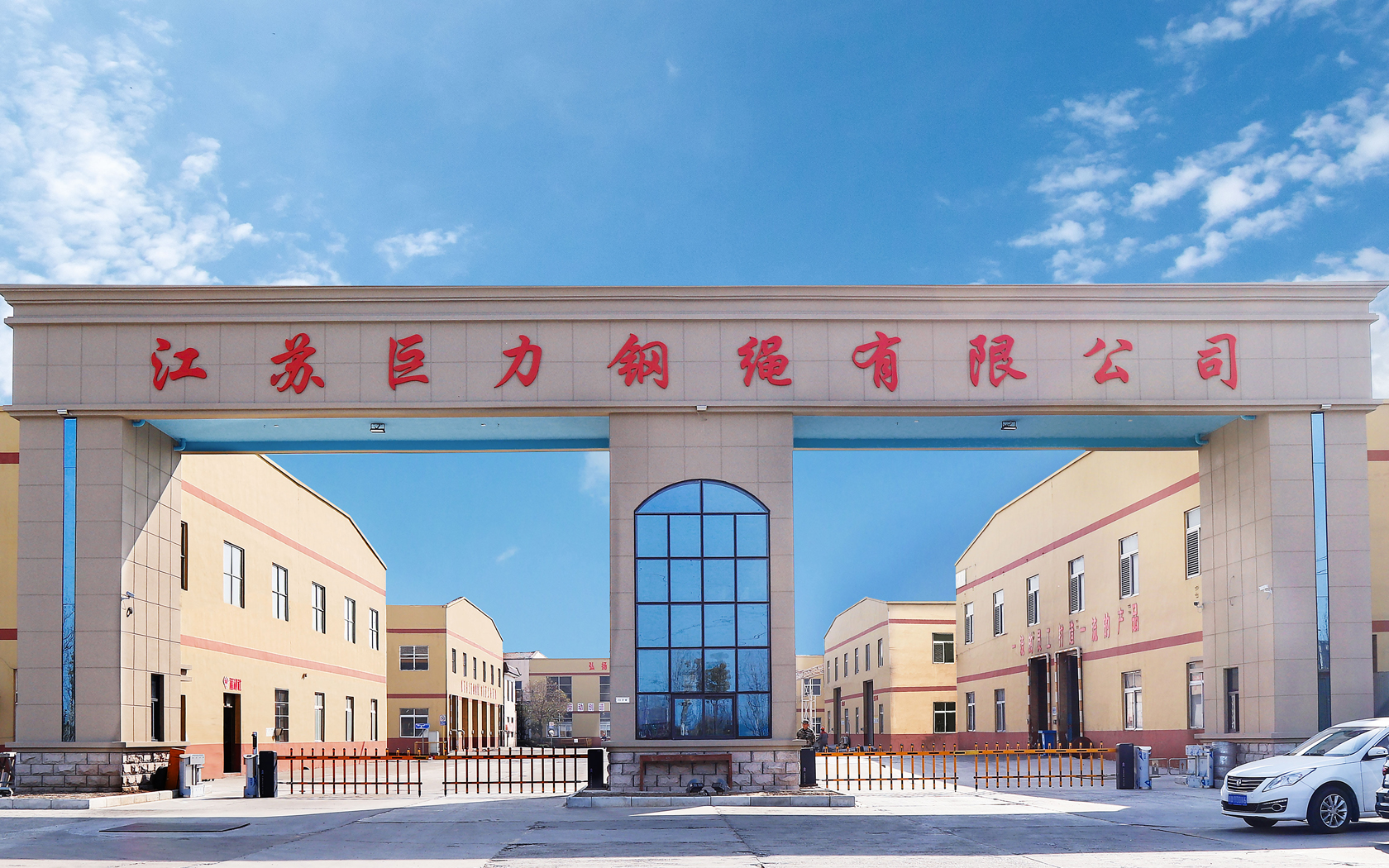
Jiangsu Juli Steel Wire Rope Co., LTD is a manufacturer of steel wire ropes and lifting accessories with production bases in Nantong and Jiyuan, China, and Bekasi, Indonesia, a product range from 0.5 mm to 120 mm, and certifications including API, LR, ABS, CCS, ISO9001, CE, GOST, EPD, SIRIM, SNI and MA. The company’s origins date back to 1958, with total assets of $150 million and a group footprint covering 350,000 square meters.
Next Step: Match Your Duty to the Range
Review the full construction, finish, diameter and certification range in the Juli Steel Wire Rope catalogue, or send your application details — load, environment, standard and lifting condition — for a specification-based quotation.
Download the Jiangsu Juli Steel Wire Rope product catalogue (PDF)
Website: www.juli-rope.com
Email: Shirley@worldjuli.com
Tel / WhatsApp: +86 15312608225 · +86 15950529706
Address: NO.1689, Zhangjiang Road, Nantong Development Zone, Nantong, China
Have Questions or Need More Details?
Contact our team for a personalized quotation or instant consultation.
Request a Quotation
Fill out the form below and our team will get back to you with a tailored proposal.
WhatsApp Direct Chat
Prefer to chat in real-time? Message us on WhatsApp for instant assistance & quick answers.
- Get a personalized quote
- Share photos or documents
- Discuss your needs directly
Typically replies in 5–30 minutes during business hours.