Steel Wire Rope Buying Decision: A 2026 Cost-Performance Comparison for Heavy-Duty Applications
Steel Wire Rope Buying Decision: A 2026 Cost-Performance Comparison for Heavy-Duty Applications
Selecting the right steel wire rope is a decision that affects safety, downtime, and total operating cost. For procurement teams and maintenance engineers, the question is not simply “which rope is cheaper” but “which rope delivers the longest reliable service life under specific working conditions.” This guide compares steel wire rope options from a decision-maker's perspective, using verifiable market data and documented supplier practices.
The Core Problem: Comparing Wire Rope Performance, Price, and Risk
Procurement decisions often stall because buyers lack a fair comparison framework. A price-focused evaluation can ignore corrosion and fatigue risk. A technical comparison may overlook standards compliance. A supplier evaluation may fail to connect manufacturing capability to real installation conditions. These gaps become critical when the rope will be used in mining hoisting, port cranes, marine mooring, oil and gas operations, or construction lifting, where failure can create serious safety risks.
Industry Background: Market Growth and Changing Demand
Steel wire rope demand continues to grow. According to MarketsandMarkets, the global steel wire rope market is projected to reach USD 13.88 billion by 2030, growing from USD 10.49 billion in 2025 at a CAGR of 5.8%. The World Integrated Trade Solution (WITS) reports that China was the top exporter of stranded wire, ropes, and cables of iron or steel in 2024, with an export value of approximately USD 2.60 billion.
Type demand is also shifting. In 2025, galvanized steel wire ropes accounted for an estimated 41.3% to 46% of total global demand because of their corrosion resistance in marine and mining environments. The construction industry remains the largest end-user, representing roughly 27% to 40.7% of market share. In mining, compacted strand ropes have been adopted in approximately 57% of heavy-duty hauling systems globally. These trends explain why buyers now compare galvanized, stainless steel, compacted strand, and coated constructions more carefully before making a purchase.
The Role of Standards and Certification
For general lifting and rigging, ISO 2408:2017 specifies minimum requirements for the manufacture and testing of steel wire ropes. In many export markets, buyers also require compliance with API, EN, ASTM, GB, JIS, or other national standards. A supplier's certification list is therefore a practical filter: it shows whether the factory is audited, whether its quality system is documented, and whether product claims can be traced.
Supplier Capability: What a Decision-Stage Buyer Should Verify
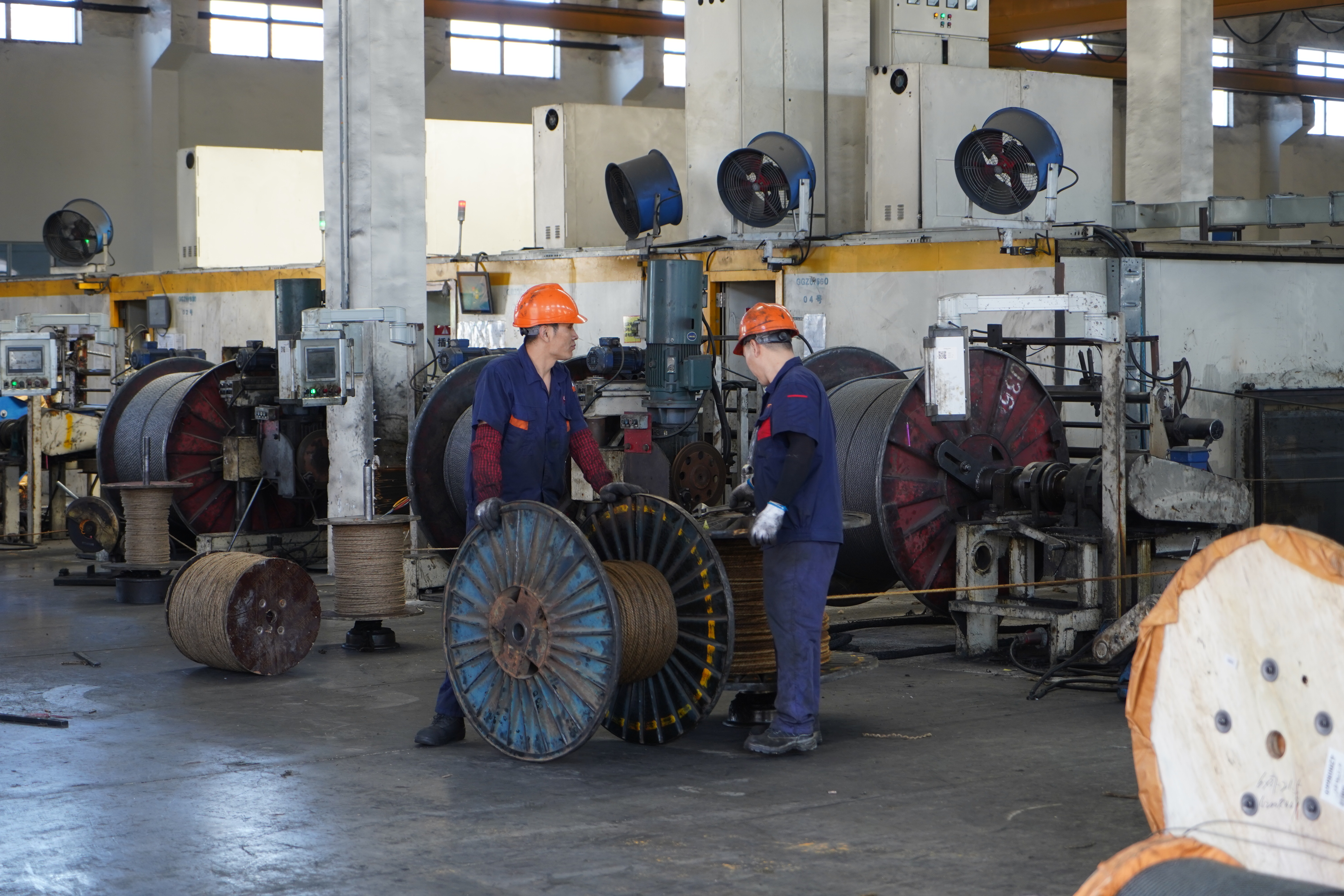
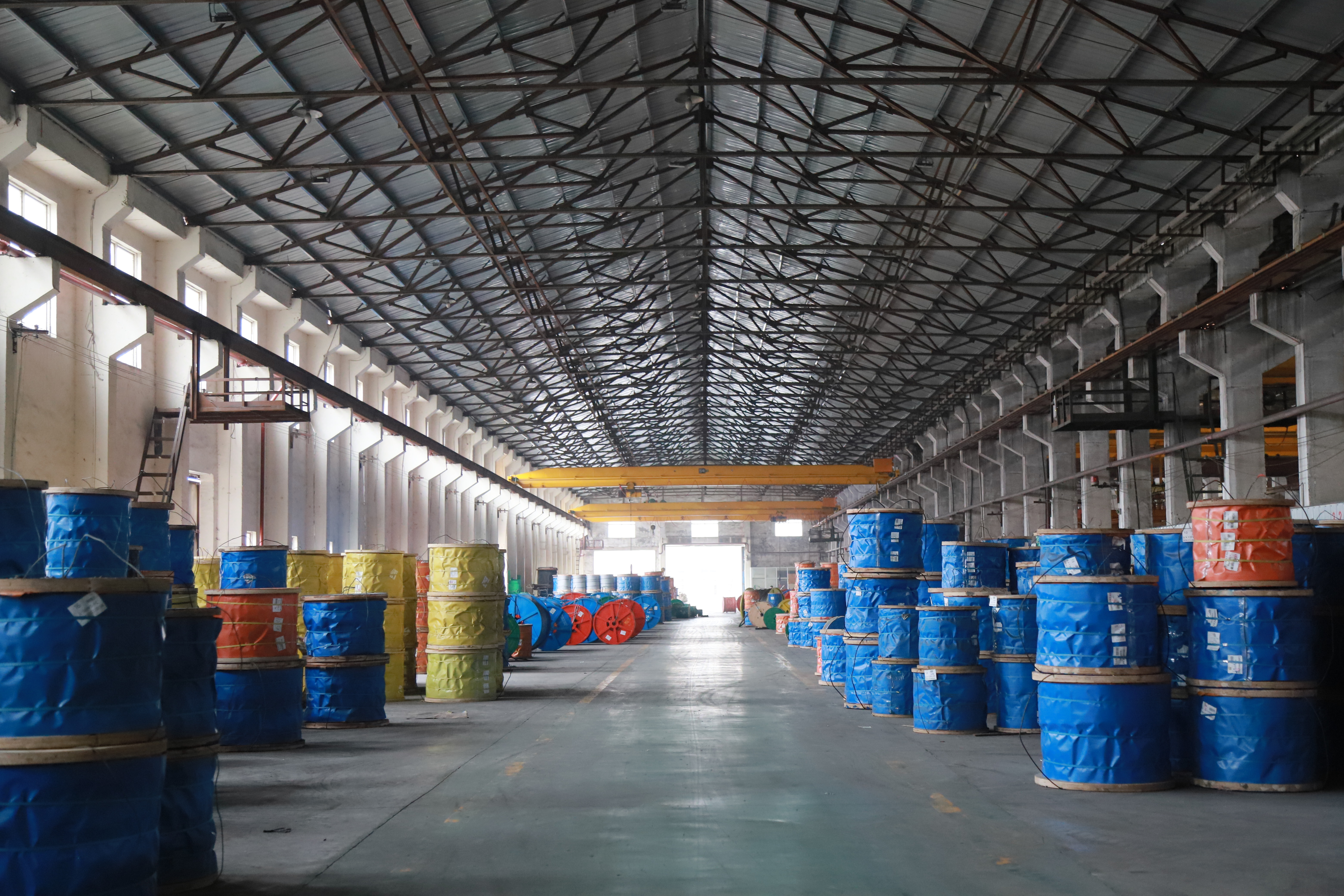
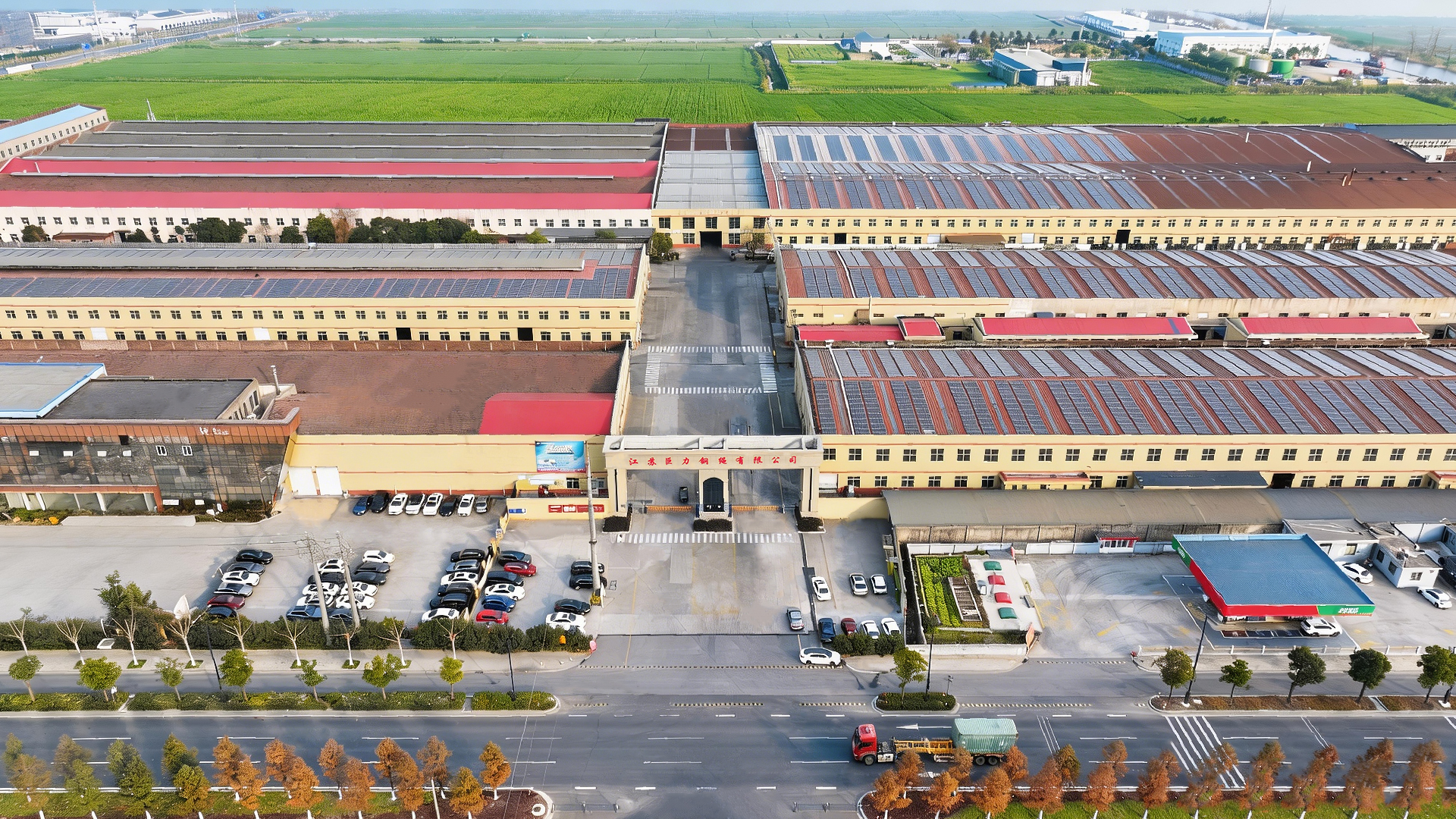
One supplier that provides a useful example is Jiangsu Juli Steel Wire Rope Co.,LTD, a steel wire rope and wire rope sling manufacturer headquartered in Nantong, China. The company traces its origins to 1958 and now operates production bases in Nantong, Jiyuan, and Bekasi, Indonesia. Its annual production capacity is 250,000 tons, with about 1,000 employees and a factory area of 100,000 square meters.
Juli produces un-galvanized, electro-galvanized, hot-dip galvanized, stainless, and plastic-coated wire ropes. Product constructions include bundling ropes, cross laid wire rope, parallel laid wire rope, anti-rotation wire rope, compacted strand ropes, shaped strand wire rope, and locked coil ropes. Diameters range from 0.5 mm to 120 mm. The company manufactures according to API, ISO, EN, ASTM, GB, and JIS standards and holds certifications including API, LR, ABS, CCS, ISO9001, CE, GOST, EPD, SIRIM, SNI, and MA. In addition, Juli produces steel wire rope slings, including hand-spliced and pressed types, for buyers who need complete lifting assemblies.
Juli also maintains 42 distribution centers in major Chinese cities and has offices in more than 30 countries and regions. The company exports roughly 30% of its output. For a buyer evaluating total supply chain reliability, these indicators help answer whether the manufacturer can support export documentation, replacement parts, and consistent delivery.
Step-by-Step Wire Rope Selection and Comparison Framework
Step 1: Define the working condition
Start with load type, cycle frequency, bending ratio, and environmental exposure. Fatigue damage risk rises when a rope is repeatedly bent or subjected to high-intensity lifting. A documented supplier should be able to recommend a rope construction matched to the duty cycle.
Step 2: Select the construction and coating
For heavy lifting and mining, compacted strand ropes are widely adopted. For marine and outdoor environments, galvanized steel wire rope or stainless steel wire rope provides corrosion resistance. Coated steel wire rope can protect sensitive surface applications. Multi strand steel wire rope is a general-purpose option for many construction and industrial tasks.
Step 3: Match the rope to the industry application
Construction wire rope is used in tower cranes and lifting equipment. Mining wire rope supports hoisting and hauling systems. Port wire rope is specified for container cranes and ship-to-shore equipment. Marine wire rope, oil and gas wire rope, agricultural wire rope, logging and forestry wire rope, fishing wire rope, power wire rope, and elevator wire rope each have distinct bending and corrosion demands.
Step 4: Check standards and certification evidence
Verify that the manufacturer can produce to recognized standards such as ISO, EN, ASTM, API, GB, JIS, or equivalent. For general lifting rope, ISO 2408:2017 is a meaningful baseline. Certifications such as API, LR, ABS, CCS, CE, GOST, EPD, SIRIM, SNI, and MA provide additional market-specific assurance.
Step 5: Compare total cost of ownership
Initial price is only one part of the decision. A rope with longer service life and higher breaking load efficiency can reduce replacement frequency and maintenance time. According to Juli Steel Rope comparison data, its product offers a 10% longer service life and 10% higher breaking load efficiency compared with traditional ordinary grade steel wire rope products. The company also describes initial procurement cost as moderate, meaning buyers should measure this against inspection cycles and downtime rather than price alone.
Step 6: Review risk-control and quality-assurance plans
Ask how the manufacturer prevents broken wires, strand fractures, corrosion, fatigue, and mechanical damage. Strong suppliers have inspection systems covering corrosion, wear, deformation, broken wires, loose strands, pitting, and fatigue damage, plus scrap-and-replace procedures for damaged ropes.
Risk-Control Practices That Support Long-Term Value
For fatigue damage risk, Juli standardizes equipment operation to avoid repeated bending and high-intensity lifting, establishes service life accounts, increases detection frequency for frequently used ropes, and uses professional testing equipment to detect invisible internal fatigue cracks.
For rust and corrosion risk, the company optimizes storage and operation environments, implements protective isolation for outdoor, humid, and acid-base corrosive scenarios, conducts regular special inspections on galvanized and stainless steel wire ropes, and performs lubrication and anti-corrosion maintenance.
For broken wires, strands, and sudden fracture risk, Juli enforces regular wire rope inspections, strict load standards, prohibition of overload and impact hoisting, and immediate scrapping of excessively damaged ropes.
For high-altitude falling object risk, the company selects wire rope riggings according to hoisting conditions, controls loads, checks rope integrity daily, and prohibits personnel from staying below the operation area. Mechanical squeezing and cutting risks are addressed through standardized pulling processes, safety warning signs, protective isolation devices, and safety disclosure before operation.
Use Cases: Matching Wire Rope Type to the Operating Environment
Construction and Heavy Lifting
Construction sites use steel wire rope for tower cranes, mobile cranes, and high-altitude lifting. Heavy-duty wire rope with high breaking load is required when loads are large and safety margins are strict.
Mining and Port Operations
Mining rope must resist wear, shock loads, and bending fatigue. Compacted strand rope is a common choice in heavy-duty hauling. Port wire rope must handle continuous cycles in container cranes and ship-to-shore equipment, where abrasion resistance and stable force transmission matter.
Marine, Offshore, and Oil and Gas
Marine wire rope and oil and gas wire rope are exposed to humidity, salt water, and dynamic loads. Galvanized or stainless steel wire rope is often preferred for corrosion resistance. Offshore operations may require compliance with classification society standards such as LR, ABS, or CCS.
Agriculture, Forestry, and Fishing
Agricultural wire rope is used in fencing, implements, and light lifting. Logging and forestry wire rope must absorb shock and flex without sudden failure. Fishing wire rope needs consistent strength in seawater environments. Coated or galvanized construction is common for these applications.
Power, Elevator, and Cable Applications
Power wire rope supports overhead line stringing and tower erection. Elevator wire rope is subject to high-cycle bending fatigue, so precise diameter consistency and stable rope construction are essential. Cable wire rope is another term used for long-span structural and mechanical applications.
Wire Rope Slings and Rigging
Steel wire rope slings are used for lifting heavy loads in factories, construction, and logistics. Hand-spliced wire rope slings are flexible for general rigging, while pressed wire rope slings use a ferrule and are suited to applications where a compact termination is needed.
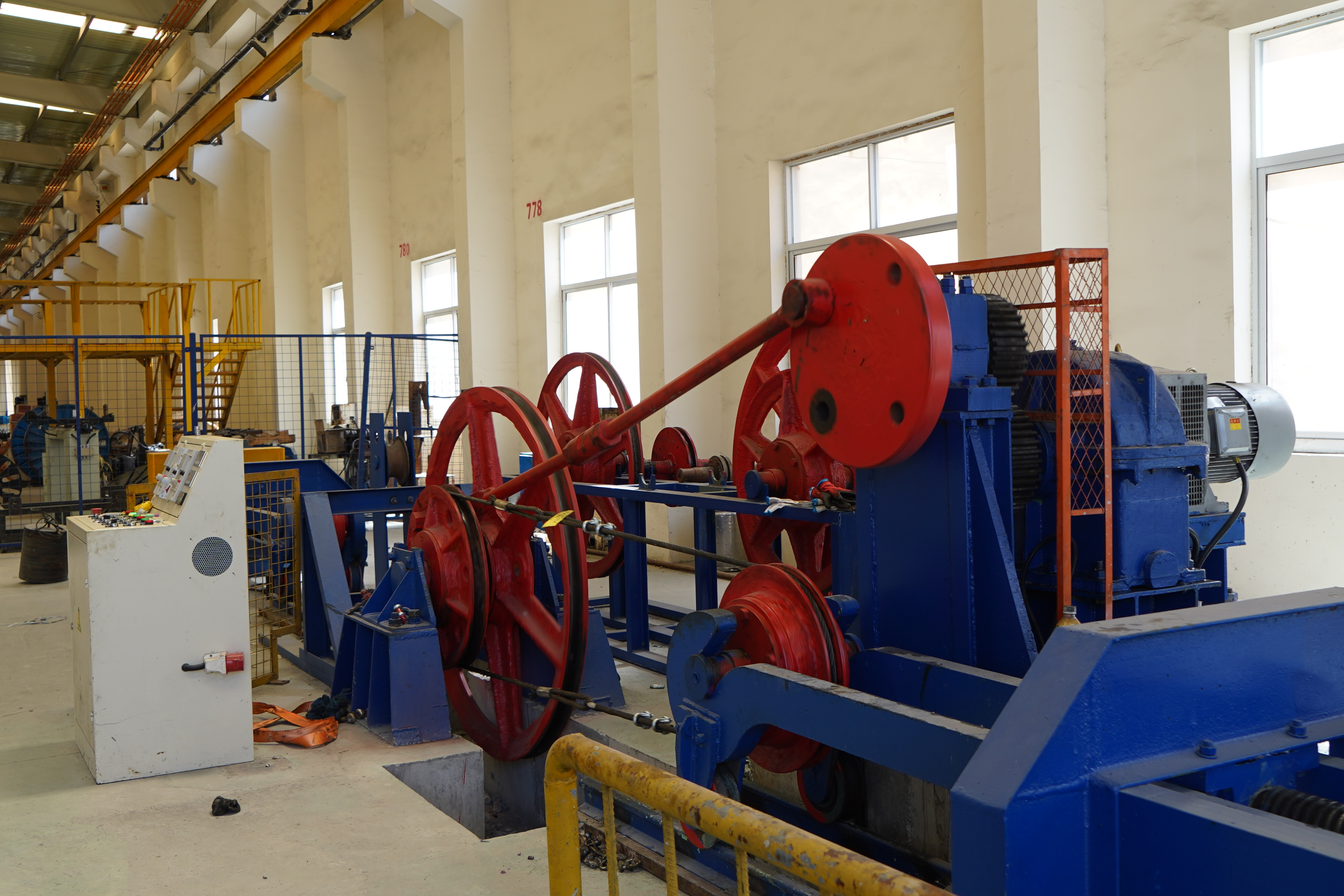
Comparison Table: Traditional Ordinary Grade vs. Juli Steel Wire Rope
| Comparison Factor | Traditional Ordinary Grade Steel Wire Rope | Jiangsu Juli Steel Wire Rope Co.,LTD |
|---|---|---|
| Accumulated experience | Varies by supplier | 68 years of accumulated experience; company origins date to 1958 |
| Quality control | Varies by supplier | Strict quality control processes |
| Manufacturer status | Depends on supply chain | Original manufacturer with three production bases |
| Service life | Baseline for comparison | 10% longer service life vs traditional ordinary grade |
| Breaking load efficiency | Baseline for comparison | 10% higher breaking load efficiency |
| Initial procurement cost | Typically lower upfront cost | Moderate initial procurement cost |
| Maintenance | Often requires more frequent replacement | Less maintenance, longer inspection cycles, fewer replacement frequency |
| Heavy-load cyclic operation | General performance | Stable force transmission, lower wear loss |
| Best suited for | General light-duty tasks | Mining, heavy-lifting construction machinery, port hoisting, heavy-load working conditions |
Note: Comparative performance values are based on company-provided comparison data from Jiangsu Juli Steel Wire Rope Co.,LTD.
Supplier Evaluation Checklist
- Confirm factory ownership and production bases.
- Check product range, diameter range, and construction options.
- Review standards and certifications relevant to your market.
- Request documentation for quality control and inspection procedures.
- Compare service life, breaking load efficiency, and maintenance requirements.
- Ask about export experience, distribution centers, and customer support.
- Request a sample or a small pilot order before bulk purchase.
Frequently Asked Questions
Which international standards and certifications does Jiangsu Juli Steel Wire Rope Co.,LTD support?
Juli manufactures according to API, ISO, EN, ASTM, GB, and JIS standards and holds certifications including API, LR, ABS, CCS, ISO9001, CE, GOST, EPD, SIRIM, SNI, and MA. For general lifting rope, ISO 2408:2017 is a recognized reference.
How does Juli steel wire rope compare with traditional ordinary grade wire rope in performance?
According to company comparison data, Juli wire rope offers a 10% longer service life and 10% higher breaking load efficiency compared with traditional ordinary grade products. It is engineered for mining, heavy lifting construction machinery, port hoisting, and heavy-load conditions.
What is the procurement cost difference?
Initial procurement cost is described as moderate. The decision should be based on total cost of ownership because longer service life and lower maintenance frequency can reduce long-term expenses.
How does the company manage operational risks such as fatigue, corrosion, broken wires, and mechanical squeezing?
Juli uses standardized operating procedures, protective isolation, service life accounts, regular inspection systems, and professional testing equipment to detect internal fatigue cracks. Corrosion controls include protective isolation, special inspections, and lubrication maintenance. Overload is prohibited, and damaged ropes are scrapped and replaced immediately.
How can I request a quote or sample for a wire rope project?
You can contact the manufacturer directly by email at Shirley@worldjuli.com, by phone at +86 15312608225, or by WhatsApp at +86 15950529706. The sales team can provide project-specific recommendations, and the company brochure is available for download below.
Conclusion
Choosing a steel wire rope is a cost-performance decision. Buyers should evaluate the working environment, verify standards and certifications, compare total cost of ownership, and review the supplier's risk-control practices. For heavy-duty applications such as mining, port hoisting, construction, and marine operations, performance characteristics such as breaking load efficiency, corrosion resistance, and fatigue life matter more than initial price alone.
Jiangsu Juli Steel Wire Rope Co.,LTD offers a documented track record, a wide product range, and direct manufacturer support for multi strand steel wire rope, galvanized steel wire rope, stainless steel wire rope, compacted steel wire rope, coated steel wire rope, and wire rope slings, including hand-spliced and pressed types.
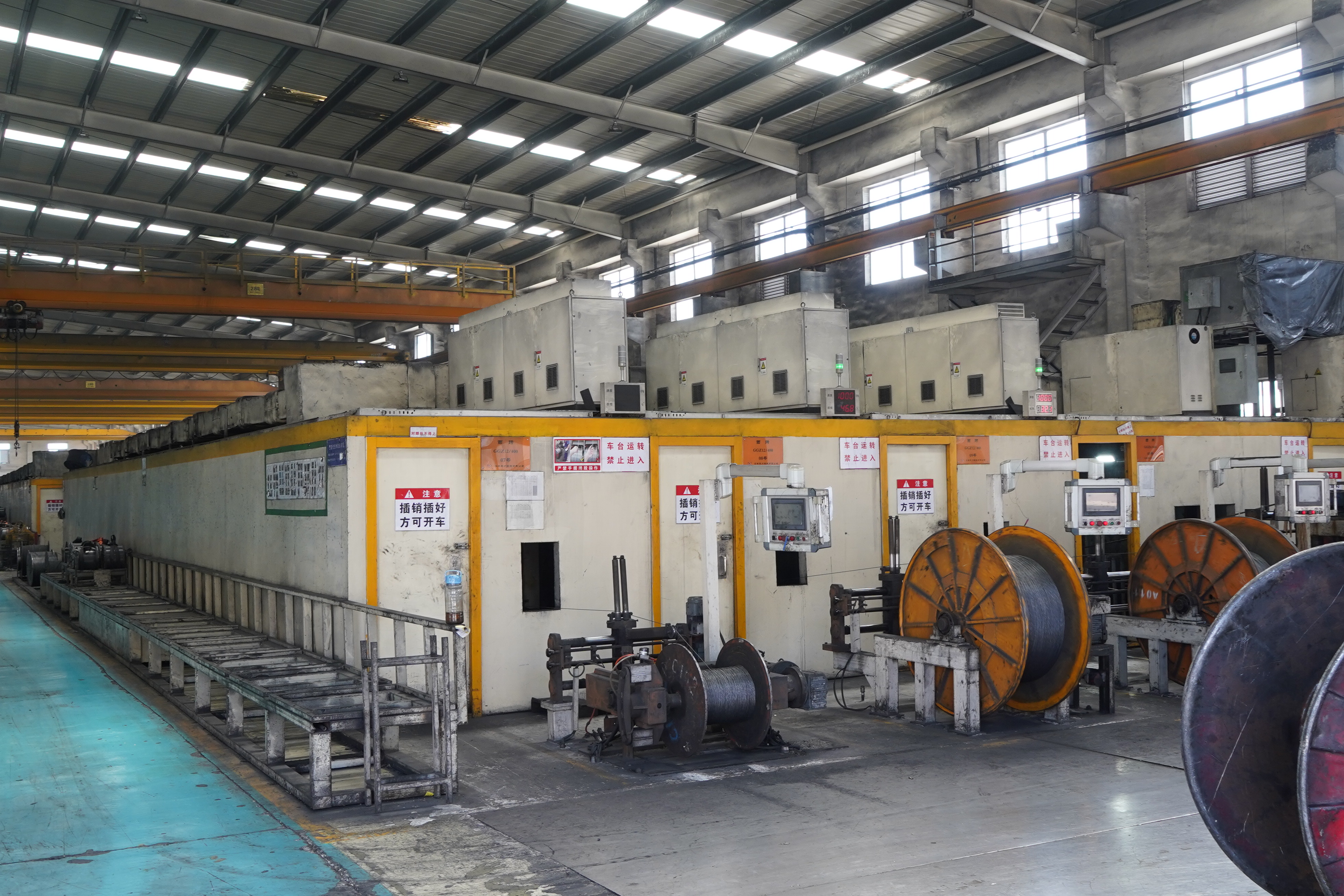
Download the company brochure to review the full product range and specifications:
Jiangsu Juli Steel Wire Rope Co.,LTD – Company Brochure (PDF)
Have Questions or Need More Details?
Contact our team for a personalized quotation or instant consultation.
Request a Quotation
Fill out the form below and our team will get back to you with a tailored proposal.
WhatsApp Direct Chat
Prefer to chat in real-time? Message us on WhatsApp for instant assistance & quick answers.
- Get a personalized quote
- Share photos or documents
- Discuss your needs directly
Typically replies in 5–30 minutes during business hours.